


Gabriel Unigwe in BIRKENSTOCK SS25
A summer of movement, freedom, and effortless style — captured in Cape Town

Cape Town served as the scenic canvas for a new lifestyle feature starring Nigerian creative GABRIEL UNIGWE, styled and produced by independent fashion platform THE BEAU GUIDE, in a visual story that celebrates freedom, travel, and timeless style.
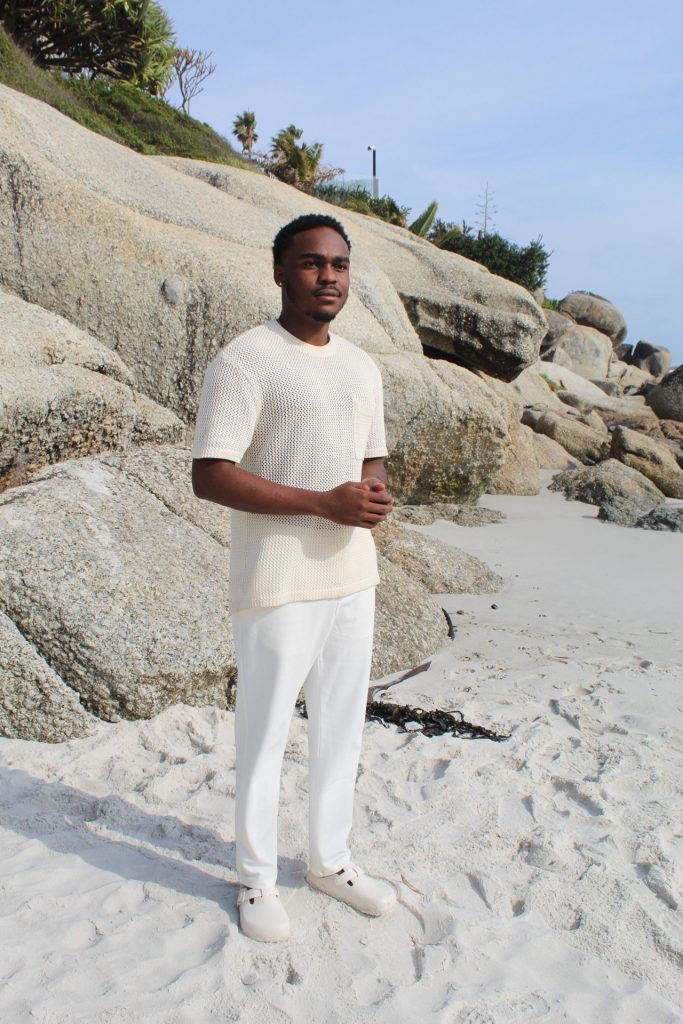
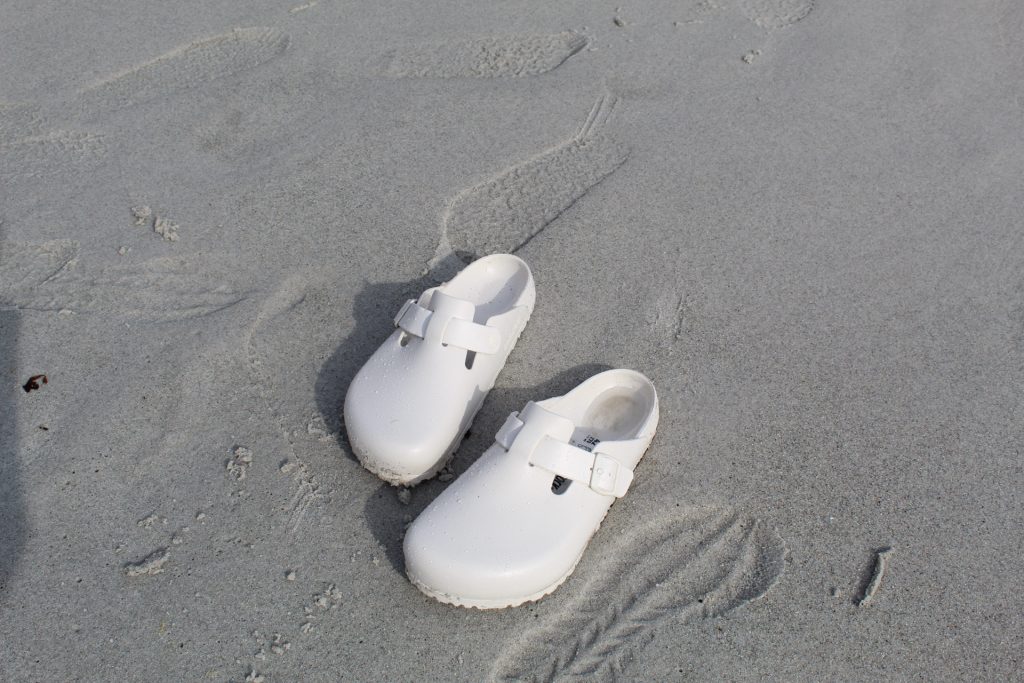
This seasonal editorial spotlights a pair of BIRKENSTOCK EVA silhouettes — the BOSTON EVA and ARIZONA EVA in the refined EGGSHELL tone — styled against the vast coastal beauty of the Mother City. The imagery captures barefoot elegance and a sense of grounded movement, with BIRKENSTOCK styles anchoring every step.
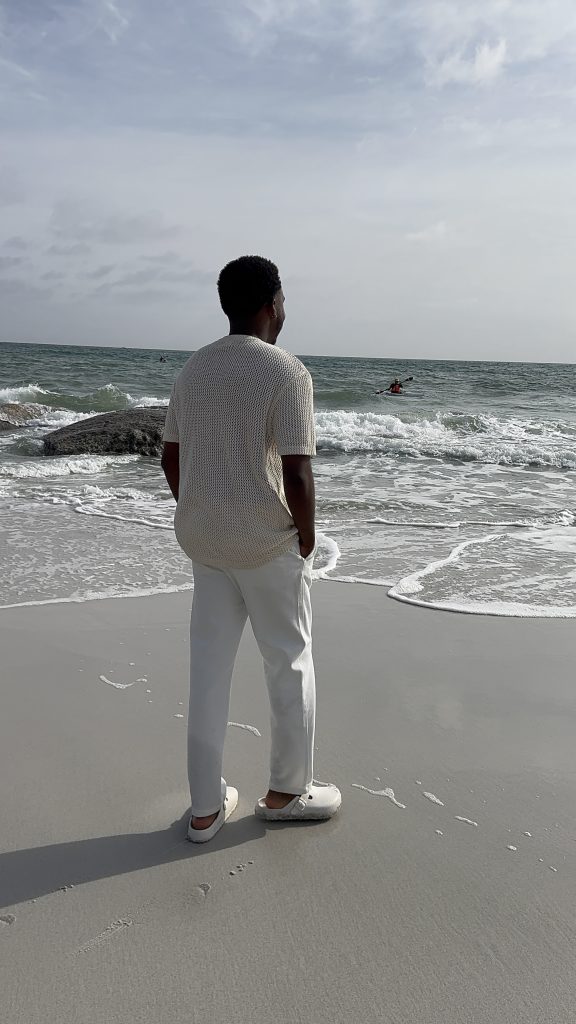
Crafted from one-piece molded EVA, these lightweight silhouettes are water-resistant, easy to wipe down, and perfect for beach settings — blending durability with the timeless, structured aesthetic BIRKENSTOCK is celebrated for. Whether oceanside, in the city, or somewhere in between, the EVA range offers freedom of movement without compromising on elegance.
“There’s a simplicity to these shoes that mirrors the way I want to live — light,grounded, and always moving,” says Gabriel Unigwe, who styled his looks with clean layers and neutral tones to reflect his nomadic spirit.
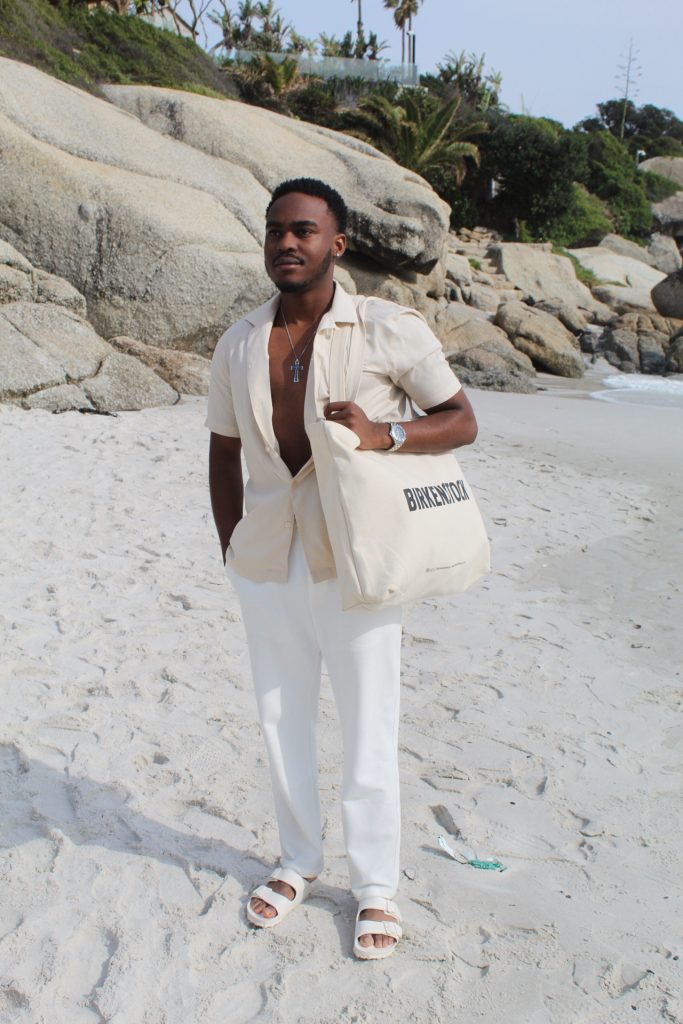
Shot as a visual travel diary, rather than a traditional campaign, this story is an ode to summer movement, personal style, and the quiet confidence of everyday wear. With a focus on lifestyle and location, it reflects the kind of effortless dressing that’s both practical and beautiful
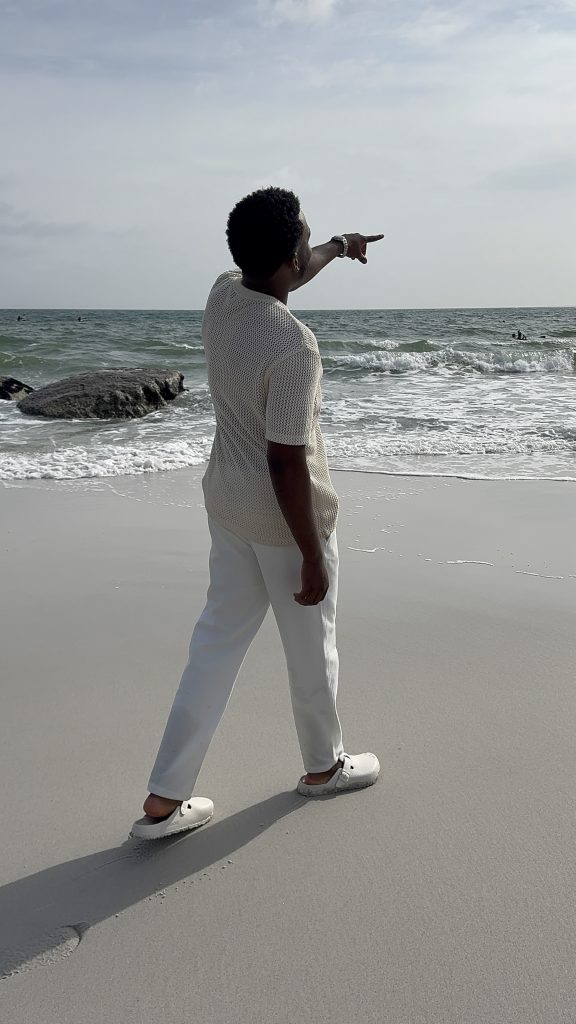
Shop the latest BIRKENSTOCK styles online at www.bashafrica.com and in BIRKENSTOCK stores across South Africa.
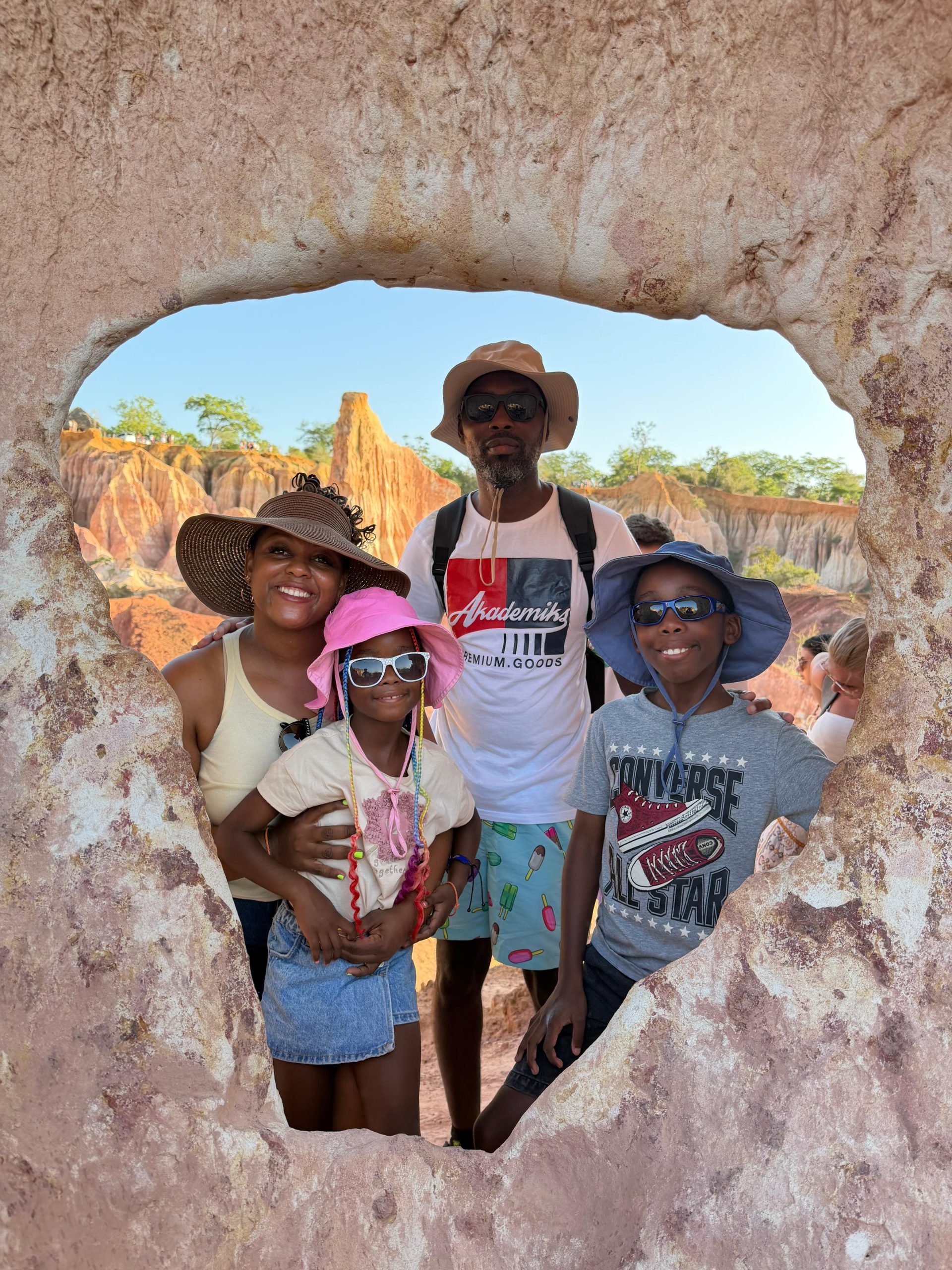
Carol Ofori Champions African Travel After Inspiring Family Adventure in Kenya
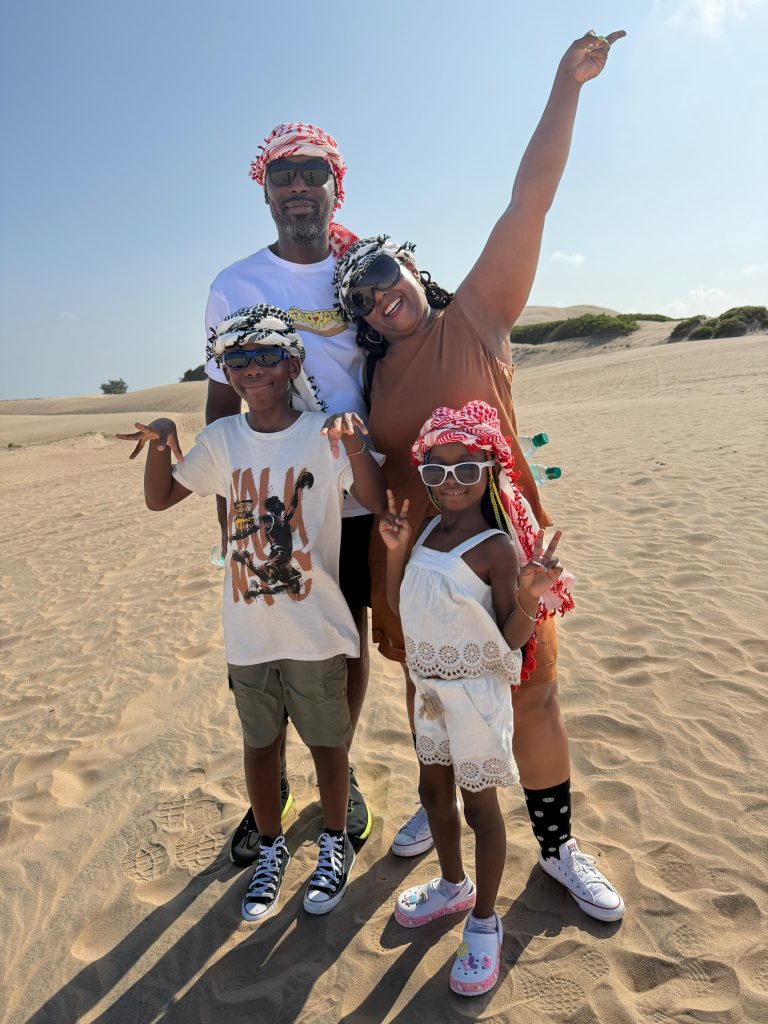
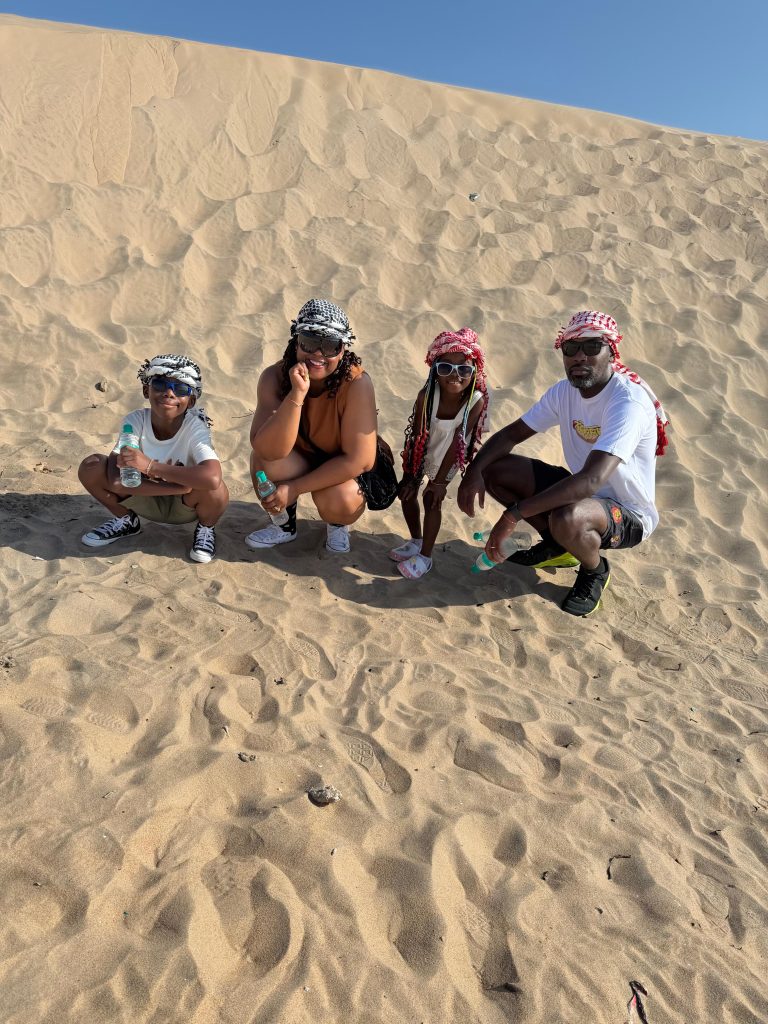
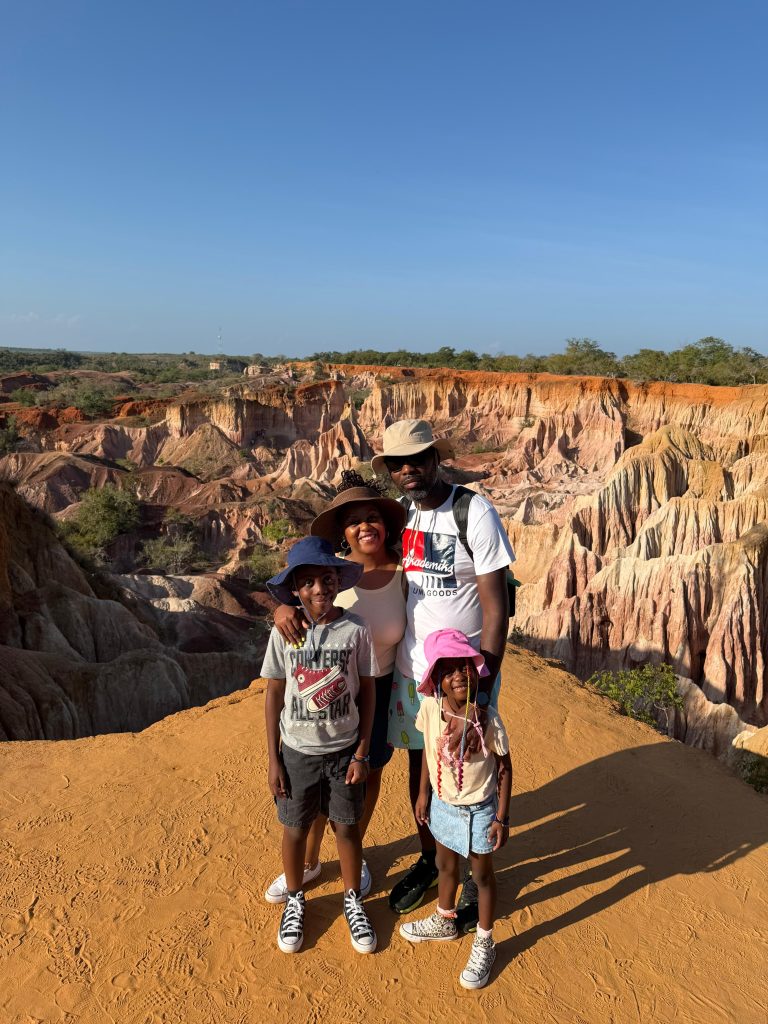
Johannesburg, 20 February 2026 | Award-winning broadcaster, podcast host, children’s book author, and passionate advocate for African exploration, Carol Ofori has built a career, and a life, around storytelling, connection, and wanderlust. Fresh from a family holiday to Malindi in Kenya, Carol’s passion for African travel shines brighter before. She opens up on why she’s made it her mission to explore as much of Africa as possible and shares some of her favourite memories of visiting the Kenyan city of Malindi.
Travel has clearly been a huge part of your life. How did that love first start for you, and what keeps the fire burning after so many years and so many destinations?
My passion for travel started when my mom gave me the opportunity to see the world as a teenager. We travelled mainly around America and Europe, and those experiences opened my eyes in ways I’ll always be grateful for. Travel exposes you to culture, tolerance, acceptance and constant learning. It’s one of the most beautiful ways to grow as a human being and to develop empathy. After travelling with my family, I moved out and all I wanted to do was keep exploring. Every December, after seeing so much of the United States and Europe, I told myself I wanted to see more of this continent that I love so much. My first African trip was to Victoria Falls in Zimbabwe, and I was hooked from that moment on.
You’ve visited dozens of countries across Africa and beyond. What is it about travel that still excites you the most?
For me, it’s the learning. I love learning, and visiting a new place allows you to soak up so much knowledge. I enjoy fully immersing myself in experiences because those moments imprint themselves on you. Your travel stories become part of who you are. Through learning, you develop respect for different people and cultures. You begin to appreciate how others live, think and celebrate. That perspective is priceless.
As a mother, how has becoming a parent changed the way you experience and approach travel?
I’ve always wanted my kids to see as much of Africa as possible, but I waited until my youngest was at least five years old. When they’re very young, travelling can be more challenging, and we wanted them to be old enough to truly experience and absorb what they were seeing. Planning trips now requires a completely different lens. You have to consider distance, travel time and health precautions. In parts of Africa, malaria can be a concern, so we make sure we’re properly prepared with medication before and during the trip. Safety is also a key factor. One year, we planned to visit Mozambique, but just before we travelled there was unrest in Maputo and we had to adjust our plans. As a parent, flexibility is everything.
You recently took the family to Malindi. What made you choose that destination, and how did it compare to your expectations?
It was actually my second time visiting Malindi, and we absolutely loved it. This time, I visited Gold Beach at Che Shale for the first time. It’s a stretch of coastline famous for its shimmering sand. The “golden” effect is caused by mineral deposits, specifically mica and titanium particles, that are washed down from the interior by the Sabaki River before settling along the shore. The mix of gold and darker, almost black sparkles in the sand creates the most incredible, glistening effect in the sunlight. It was completely mind-blowing to see in person. We also visited the Vasco da Gama Museum, which was fascinating, snorkelled in the warm Indian Ocean, and explored the dunes on quad bikes. The city tour was incredibly interesting, and we even went to Hell’s Kitchen, which looked completely different from when I first visited because of erosion. Experiencing it all again, but this time as a mother, was truly eye-opening.
Was there anything about Malindi that surprised even you?
The consistency of the weather! We had hot, 35-degree weather every single day, which is very different from South Africa where conditions change quickly. That consistency meant we could fully enjoy every activity we planned without worrying about sudden shifts in weather.
From a cultural and sensory perspective, what stood out most?
The Maasai culture stood out deeply for me. Watching them perform. the jumping, the singing, the pride in their heritage, was incredibly emotional. They are so proud of who they are. As South Africans, we’re familiar with diverse cultures, but experiencing something different firsthand is always special. It’s very different from Zulu or Xhosa culture, for example. Their beadwork is extraordinary and unique to East Africa. What made it special is that while we all share beadwork traditions as Africans, we express them differently. The patterns, colours and techniques vary and that diversity is beautiful.
You’ve made it a mission to explore as much of Africa as possible. Why is that so important to you?
Simply put, Africa is the best continent in the world. I may be biased, but I truly believe that. If more Africans travelled within Africa, we would appreciate each other more and collaborate more. Unfortunately, it can be difficult to travel across our own continent due to various barriers. If we were able to work together more seamlessly, we could all grow together. A thriving Africa means a thriving South Africa. Seeing the potential across the continent motivates me to explore as much of it as I can. There’s so much opportunity here, and we need to collaborate more with our neighbouring countries.
After Malindi, what’s next on your travel list for 2026?
I would love to do another solo trip, but as a mom of two, that’s not always easy! More than anything, I want to continue exploring Africa with my kids. They are obsessed with travelling the continent, and that makes me so proud. It makes me feel like I’m doing something right as a parent. We haven’t decided where we’re going next just yet, but we’ll be pulling out the map, creating a wish list, weighing up the pros and cons, and then choosing our next adventure together.
For Carol Ofori, travel is more than movement. It is growth, it is connection and above all, it is a love letter to a continent she believes the world, and Africans themselves, should explore more deeply.
A R270 million vote of confidence in Gqeberha’s youth
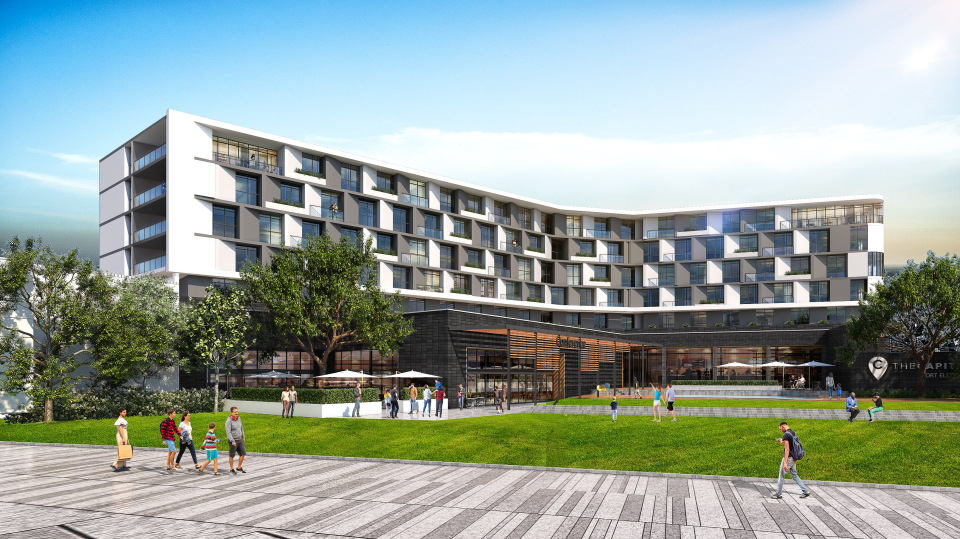
Twenty-five cruise ships are scheduled to dock in Gqeberha this season, nine of them staying overnight. That kind of footfall brings opportunity, and it also raises an important question: who is ready to meet it? At a time when the hospitality sector faces critical skills shortages and youth unemployment continues to weigh heavily on communities, the true measure of tourism growth lies in whether it creates meaningful, local opportunity.
Industry bodies have already sounded the alarm. The Federated Hospitality Association of South Africa recently warned of mounting staffing pressures across the sector, highlighting the growing gap between demand and available skills. As visitor numbers recover and confidence returns, the need for trained professionals in hotels, restaurants and tourism services is becoming more urgent.
This is where investment matters. Hospitality has long played a central role in local economies. Each new development supports a web of suppliers, service providers and small businesses, from laundry services and fresh produce suppliers to tour operators and transport companies. Tourism Minister Patricia de Lille has repeatedly underscored the sector’s role in job creation and inclusive growth, noting its capacity to uplift communities and drive regional development.
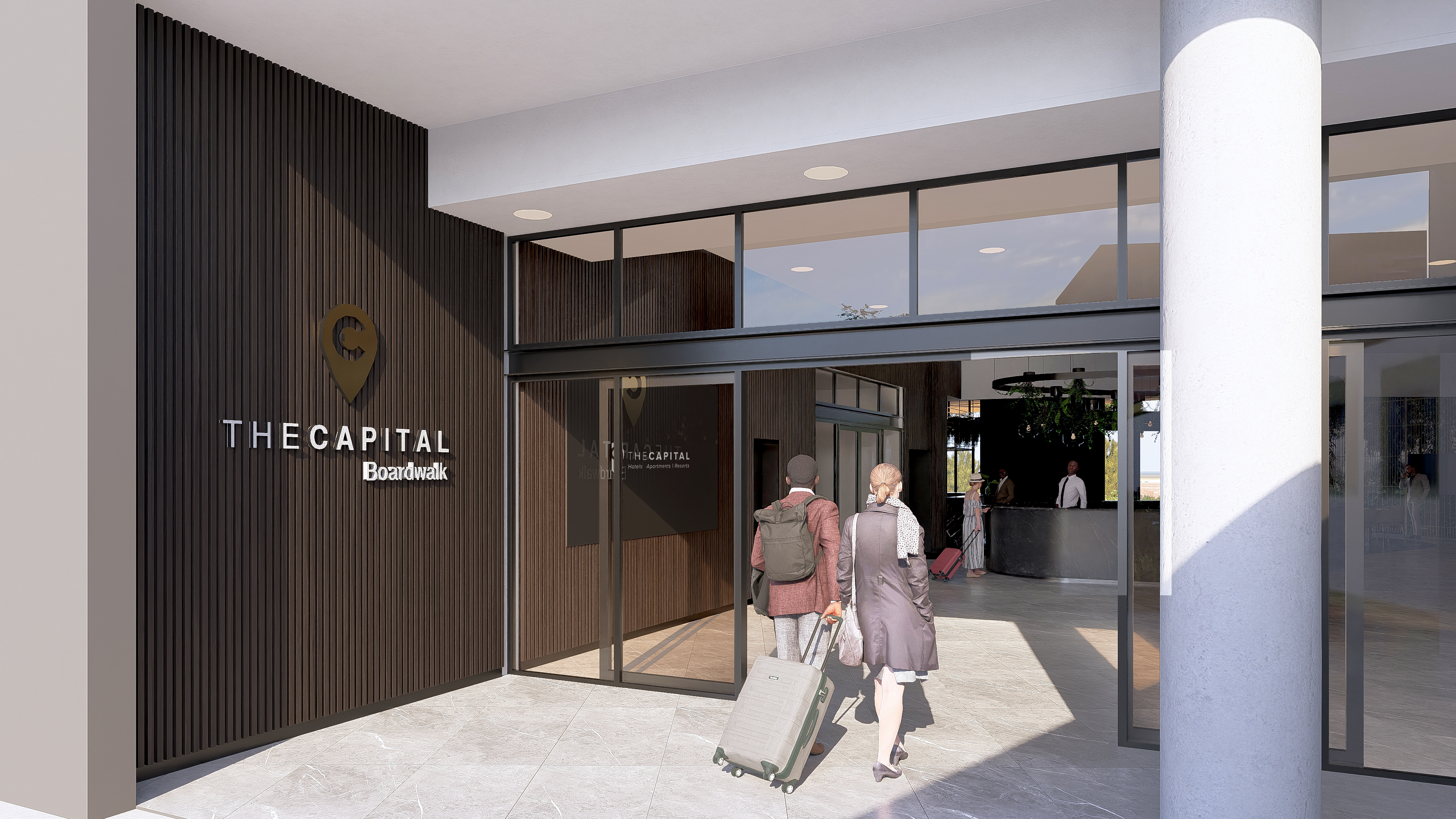
In Gqeberha, that broader impact is beginning to take shape through a R270 million hospitality investment: The Capital Boardwalk.
As the city’s first aparthotel, The Capital Boardwalk introduces a new accommodation model to the metro. The development features 145 contemporary units, including standard rooms, studios, one, two and three bedroom apartments, as well as luxury penthouses. Designed to accommodate expats, corporate travellers and contractors working in the region, the property responds to the evolving needs of a city that continues to attract business travel linked to manufacturing, renewable energy, logistics and port activity.
The aparthotel format offers flexibility for longer stays, supporting professionals who require space, convenience and a sense of home. In practical terms, that means sustained occupancy patterns and consistent local spending. Corporate guests dine in nearby restaurants, use local transport services and engage with surrounding attractions. Cruise passengers staying overnight contribute to the same ecosystem. As 25 ships arrive over the course of the season, the opportunity for the hospitality sector extends well beyond the harbour.
But beyond tourism numbers and infrastructure, the project’s real legacy will be measured in jobs and the pathways created for local residents. When The Capital Boardwalk opens in April this year, the hotel expects to employ between 150 and 200 new direct roles, ranging from food and beverage staff, chefs and receptionists to facilities, housekeeping and security. The property will also introduce more specialised roles that support sustainable operations and career progression in the hospitality sector, including positions such as hotel accountant and stock controller.
Garnet Basson, COO of The Capital Hotels, Apartments and Resorts, says the group’s focus is on building a pipeline of local talent alongside its physical footprint. “Hospitality remains one of the most accessible entry points into the formal economy for young South Africans. By investing in structured training and hiring locally, we are strengthening our own operations while contributing to the long-term skills base of the city,” he says.
That local-first commitment extends beyond recruitment. The Capital Hotels, Apartments and Resorts has appointed a General Manager from the Eastern Cape, reinforcing the group’s intention to keep leadership rooted in the region and aligned with local culture and community dynamics. The goal is not to arrive as an outsider, but to work side-by-side with the city, its hospitality sector and the broader tourism industry in a way that strengthens the destination as a whole.
Addressing skills shortages requires more than recruitment drives. It calls for on-the-job training, mentorship and clear pathways for progression. Front-of-house staff, housekeeping teams, food and beverage professionals and operations managers all form part of a value chain that depends on competence and consistency. Developing those capabilities within Gqeberha creates a stronger sector overall and reduces reliance on importing scarce skills from other regions.
To support this, John Skelton, Chief People Officer of The Capital Hotels, Apartments and Resorts, has been engaging directly with local community centres, training schools and community groups to build a stronger pipeline for youth employment. By partnering with organisations already active in the city, the group aims to identify potential talent early, support work readiness, and connect young people to sustainable opportunities within hospitality.
For young people entering the workforce, hospitality can offer exposure to international standards, customer service excellence and operational discipline. In a city preparing for a busy cruise season and renewed business travel, that experience becomes especially valuable. Every well-trained team member contributes to the visitor experience, shaping perceptions of Gqeberha as a destination.
The Capital Boardwalk also signals confidence in the city’s trajectory. Significant private investment in tourism infrastructure sends a message to the market that Gqeberha is open for business and ready to compete. It reflects faith in the city’s attractions, its coastline, its cultural offerings and its commercial potential.
As cruise liners dock and corporate travellers check in, the visible signs of growth will be easy to spot. The deeper impact will unfold more gradually, in training sessions, career advancements and pay cheques supporting households across the metro.
Tourism growth carries weight when it translates into livelihoods. In Gqeberha, the combination of renewed visitor momentum and targeted skills development offers a practical route towards shared prosperity. Through its R270 million investment in The Capital Boardwalk, The Capital is aligning its expansion with that broader ambition: strengthening hospitality, empowering local talent and contributing to a more resilient city economy.
Designed For Living. Built For Life. Blok Partners With Cape Town Furniture Week 2026
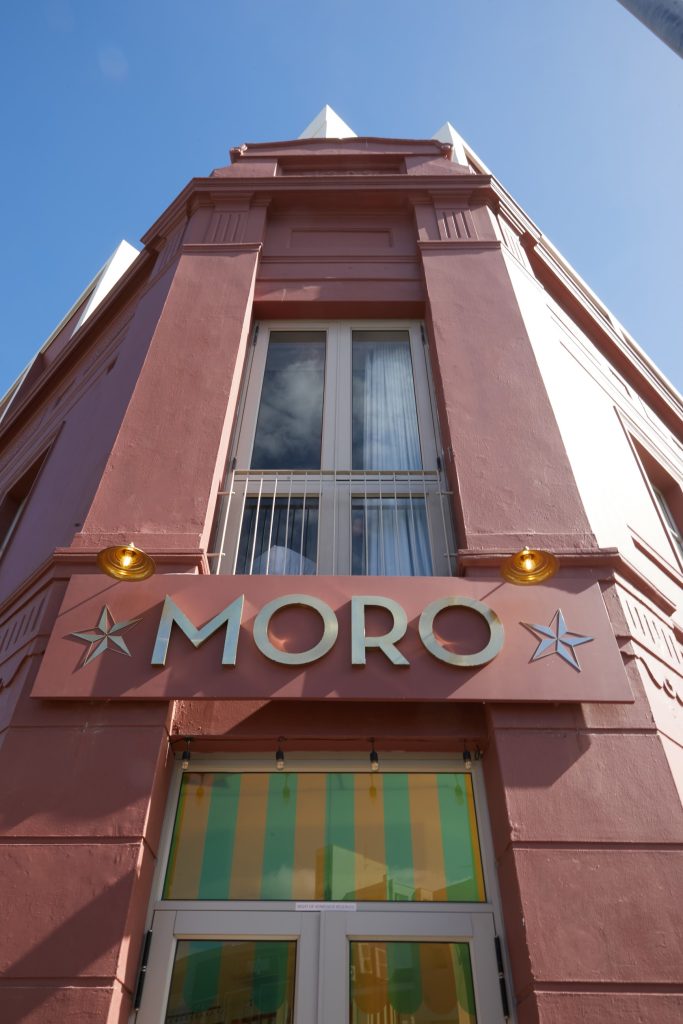
Cape Town, 19 February 2026 | Cape Town Furniture Week returns from 18 to 21 February 2026, bringing together designers, makers and creative thinkers from across South Africa. In its second year of partnership, Blok continues to support thoughtful, enduring design and innovation.
As Cape Town’s property market matures, one principle is becoming clear: efficiency by design is a new benchmark.
Design excellence is no longer judged purely on how something looks. It is increasingly measured by how it performs, how it ages and how it operates in daily life. This applies to a building’s architecture, spatial planning, apartment layouts and equally to the pieces carefully crafted and chosen to furnish the apartments.
From Architecture to Furniture
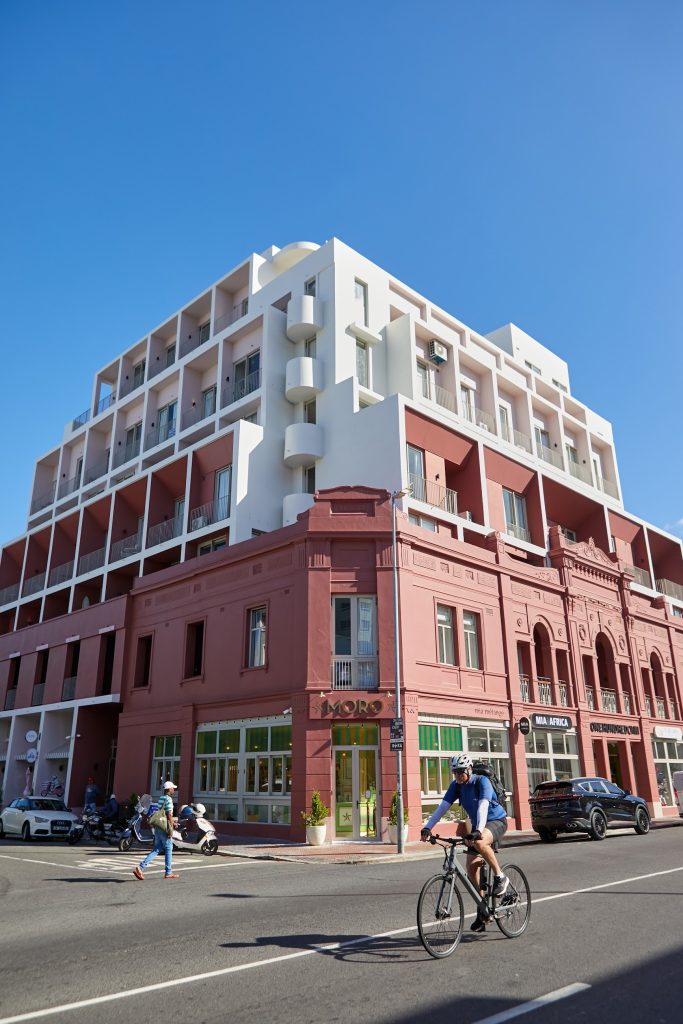
Blok’s ONEHUNDREDONM reflects this philosophy. Apartments are carefully planned to maximise light, flow and usable space. Materials are selected for durability and longevity, so that the homes are functional and relevant over time.
“Efficient design is about more than clever layouts,” says Blok’s Development Coordinator, Justine Schaffer. “It is about creating spaces and selecting finishes that mature well. The same thinking applies to furniture. In compact urban apartments especially, every item needs to earn its place, have a place and importantly, a purpose.”
Integrated storage, multifunctional joinery and adaptable living areas ensure that apartments feel generous without unnecessary excess. The emphasis is on calm, considered design rather than trend-driven decoration.
Cape Town Furniture Week champions this same ethos within the local design community. The focus is not only on aesthetics, but on craftsmanship, material innovation and pieces built to last. When architecture and furniture share that approach, homes feel coherent and thoughtfully designed.
“Cape Town Furniture Week was established to showcase the strength and depth of our local design ecosystem,” says Gareth Pearson of Cape Town Furniture Week. “What you see across the programme is a commitment to quality, craftsmanship and material innovation. South African designers are producing an incredible diversity of contemporary furniture and homeware that work beautifully in any apartment, home or commercial space. It’s design that holds its own globally.”
“As Cape Town Furniture Week continues to elevate local talent and craftsmanship, Blok remains committed to shaping apartments that remain a solid investment, age well and support the way people actually live,” says Justine.
Design That Extends Beyond the Apartment
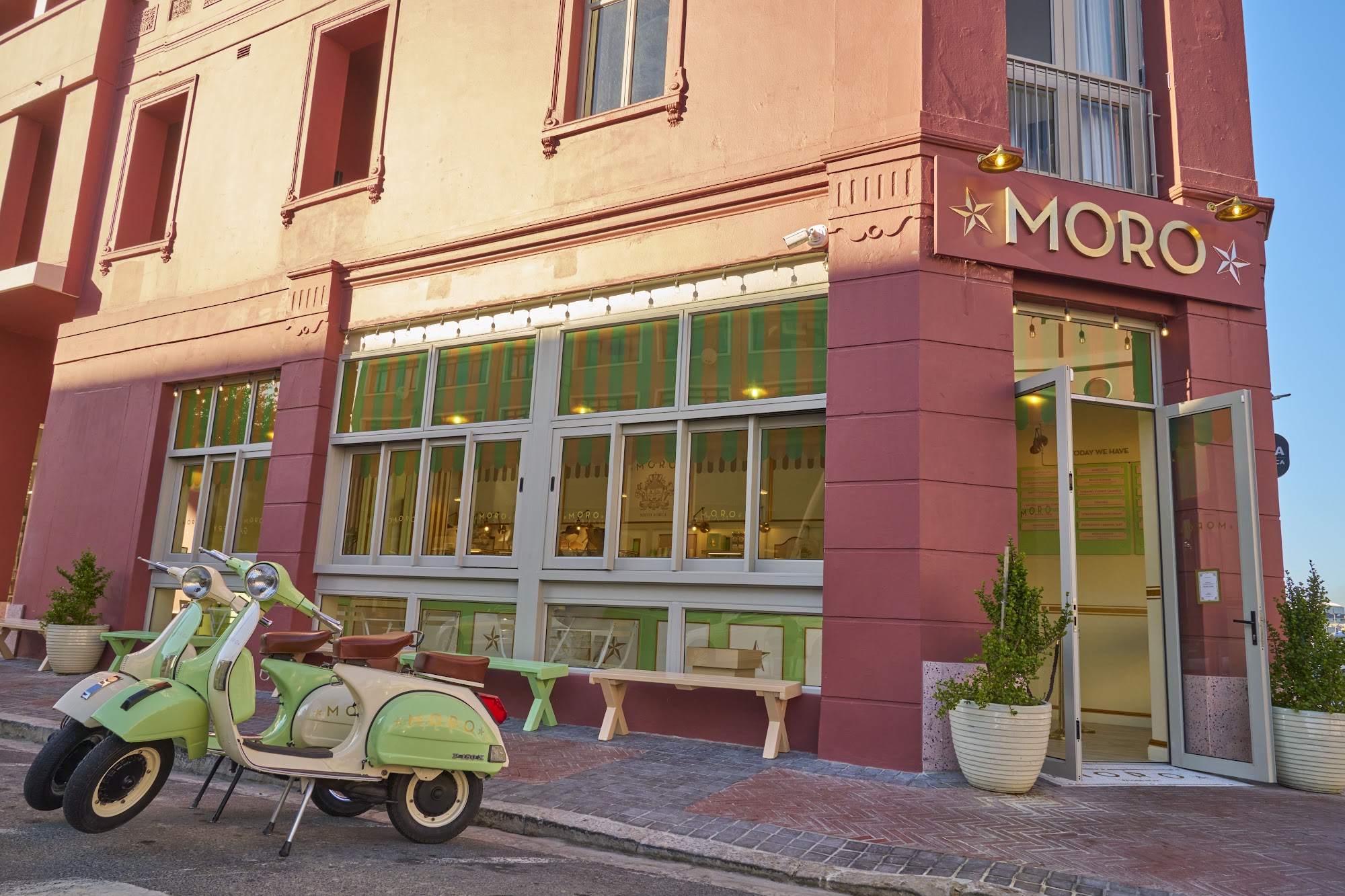
Blok’s developments are located within walkable neighbourhoods where cafés, shops and the community are part of urban living. At ONEHUNDREDONM, the ground-floor offerings, affectionately known as the Neighbourhood Heroes, strengthens that connection between private space and the city beyond.
This intersection between architecture, furniture and urban space and durability sits at the heart of Blok’s partnership with Cape Town Furniture Week. “We believe that good design should serve real life, perform over time and contribute meaningfully to the neighbourhood,” adds Justine.


BAZ LUHRMANN’S EPiC: ELVIS PRESLEY IN CONCERT SPECIAL SCREENS EXCLUSIVELY IN IMAX CINEMAS FOR ONE WEEK ONLY, FROM 20 FEBRUARY

13 February 2026 – Ladies and gentlemen… Elvis has entered the building. Music royalty is making its way onto the largest cinema screen from Friday 20 February, for one week only. The undisputed King of Rock ‘n Roll will flaunt his stuff for a full-on immersive IMAX® experience exclusively at select Ster-Kinekor cinemas, before releasing in more 2D cinemas across the country from 27 February.
Experience director Baz Luhrmann’s latest spectacle on the only screens that can capture its scope – IMAX. Described as somewhere between documentary and concert film,EPiC: Elvis Presley in Concert is a unique work.
Featuring archive footage lovingly restored by Luhrmann from outtakes, archives, and unreleased content, cinema audiences can immerse themselves in the King of Rock ‘n Roll’s epic world on the only screens epic enough to fit it.
While researching footage for the 2022 smash hit film Elvis starring Austin Butler in the title role, the legendary film director, working out of an office in Graceland for 18 months, unearthed never-before-seen Super 8 personal video from the archives. Luhrmann also tracked down 59 hours of forgotten footage from Elvis: That’s the Way It Is, the film of Elvis’ legendary 1970 Summer Festival in Las Vegas, and his road concert film from two years later, Elvis on Tour.
“We found this audio of Elvis just talking very unguardedly about his life, which he never did,” Luhrmann said of his ‘aha’ moment. “We thought, ‘You know what? This is an opportunity.’” The result is EPiC: Elvis Presley in Concert, a 96-minute-long film that is part documentary, part live concert and, above all, a chance for Elvis to tell his own story in his own words for the first time.
In the words of Elvis: “I’d like to talk to you a little bit, ladies and gentlemen, about how I got in this business. There’s been a lot written and a lot said but never from my side of the story… The image is one thing, and a human being is another. It’s very hard to live up to an image, I tell you…”
Watch the trailer here
This cinematic concert film experience, featuring more than 70 musical pieces performed by Elvis, including covers of songs by various artists, is a must-see for all Elvis fans, both young and old! The period of the King’s career thatEPiC showcases includes footage that is so well-rendered that cinema audiences will feel as if they are part of the screaming audience while watching the film.
Watch it exclusively in Ster-Kinekor’s IMAX cinemas – Cradlestone, Eastgate, and Mall of Africa in Johannesburg, The Grove in Tshwane, Baywest in Gqeberha, and at Capegate, Blue Route and V&A Waterfront in Cape Town – from 20 February for one week only. From 27 February, the 2D cinematic release will also be shown at these sites, plus at the following Ster-Kinekor sites: Rosebank Nouveau and Sandton in Johannesburg, Garden Route Mall in George, Somerset Mall in Somerset West, and at Tygervalley in Cape Town.


When the scale moves faster than the body can adapt: hair loss in the age of GLP-1s
By Dr Kashmal Kalan, Medical Director, Alvi Armani
In 2023, global prescriptions for GLP-1 weight loss medications rose by more than 40%, with drugs like Ozempic and Wegovy moving from specialist clinics into everyday conversation. Alongside this surge, a new concern is appearing more frequently in consultation rooms: unexpected hair loss.
For many patients, the timing is deeply unsettling. After months of discipline and visible progress, they start to notice more hair in the shower, on their pillow, or in their brush. The immediate fear is that something has gone wrong – that the medication is damaging their body, that the weight loss has come at a hidden cost, or something more serious.
In most cases, the reality is more nuanced. At Alvi Armani, we are seeing a consistent pattern: hair loss following rapid weight loss is real, but it is rarely caused by GLP-1 medications alone, despite how often this link is assumed. Instead, it reflects how the body responds to sudden physiological stress.
Hair loss often arrives late
The most common diagnosis in these cases is telogen effluvium, a form of temporary shedding that occurs when a large number of hair follicles shift prematurely into a resting phase. The critical detail is timing – the hair does not fall out immediately but rather sheds months after the original trigger.
This delay is what makes the experience so confusing. By the time hair begins to thin, weight loss may already feel stable, lifestyle changes established, and the initial stress long past. But biologically, the body is only now expressing the shock it absorbed earlier.
In some individuals, this shedding also unmasks an underlying genetic tendency toward pattern hair loss, known as androgenetic alopecia. While rapid weight loss does not create this condition, it can reveal it sooner than expected. What begins as temporary shedding may gradually shift into more persistent thinning – a progression that is emotionally difficult precisely because it feels so unexpected.
Why the body sacrifices hair first
Hair is not essential to survival. When the body experiences stress – whether through rapid fat loss, hormonal shifts, illness, or nutritional restriction – it reallocates resources to protect vital systems. Hair growth is one of the first processes to be downregulated.
Importantly, stress-related shedding does not create a new condition. It accelerates what was already encoded in the body. The hair is not “breaking down”; it is responding to a shift in internal priorities.
The speed of change is critical. Gradual, steady weight loss allows the body time to adapt hormonally and metabolically. Rapid loss, particularly when paired with appetite suppression, elevated stress hormones, or inadequate protein intake, creates a perfect storm for hair disruption.
From a biological perspective, shedding is not a malfunction, but rather an adaptive response. But from a patient’s perspective, it feels personal, visible, and deeply unsettling.
Who tends to notice it most
Women often become aware of thinning first, partly because longer hair makes shedding more obvious, and partly because changes in density carry greater emotional weight. Individuals with a family history of hair loss are also more vulnerable, as are those who lose a significant percentage of body weight in a short period of time.
Nutrition matters more than most realise
Hair is metabolically demanding tissue. It requires consistent access to protein, iron, zinc, and a range of micronutrients to maintain its growth cycle. When intake drops sharply because of appetite suppression, restrictive dieting, or poorly supervised medication use, hair becomes collateral damage.
This is why medically guided weight loss is so important. GLP-1 medications can be powerful tools, but they must be paired with nutritional planning. The body can tolerate change; what it struggles with is deprivation disguised as progress.
Temporary or permanent?
For many patients, telogen effluvium resolves within six to nine months once the body stabilises. Hair regrowth is slow, but it does occur.
However, in those with genetic susceptibility, the episode may mark the beginning of more sustained thinning. This does not mean damage has been done, but it does mean the window for early intervention matters. The earlier changes are recognised, the more options exist to slow or stabilise progression.
When hair loss deserves attention
Shedding should not be ignored if it persists beyond three to six months, if overall density continues to decline, or if there is a strong family history of pattern hair loss. Hair changes are often the first visible signal that the body is struggling to adapt to internal stress.
Early assessment allows for accurate diagnosis, realistic expectations, and far better long-term outcomes.
A final thought on balance
GLP-1 medications have transformed the weight loss landscape, and for many people, they offer genuine health benefits. But transformation should never come at the cost of physiological stability.
Hair is not separate from health. It is one of its most sensitive mirrors. Protecting the body protects the hair. Sustainable change, guided by medical support, remains the most reliable way to achieve results that last – without unexpected consequences.