


LUXURY JUST GOT A NEW ADDRESS INTRODUCING THE MAISON MARTELL
Johannesburg, South Africa — Maison Martell, the world’s oldest cognac house, announces the launch of Maison Martell, a cultural residence designed to embed itself within Africa’s most influential creative cities – and you, neighbours, are invited to visit.
Johannesburg marks the first chapter in March 2026.
More than a venue, this audaciously curated Maison is a considered space where French cognac heritage is reimagined through a distinctly South African lens. A first-of-its-kind experience in the country, each city will bring its identity to The Maison, ensuring that no two iterations are the same.
In every city, Martell partners with leading creative voices to reinterpret cognac culture through local expression, blending heritage with contemporary influence. The Maison experience brings together tastemakers across culinary, music, fashion, and design – reflecting the rhythms, textures, and stories unique to each city. The residence will serve as a stage for luxury immersive moments, including intimate musical performances, brilliantly curated chef-led collaborations, bespoke tastings, design-led installations, and art-driven experiences – each unfolding as a limited-time expression of culture and craft.
Each ‘room’ is designed to be discovered, turning each moment at The Maison into a collectible experience. This is luxury that lives in memory, where presence is the ultimate privilege and every detail is curated to linger long after the last pour.
“Martell’s philosophy of time, craft, and patience blends naturally with South Africa’s cultural economy, driven by creativity, collaboration, and influence. The Maison is where these worlds meet, creating space to slow down and experience luxury with intention,” said Tintswalo Baloyi, Category Director: Prestige & High Energy at Pernod Ricard South Africa.
In contrast to the city’s relentless pace, Maison Martell is designed around slow luxury – long lunches, late dinners, meaningful conversation, and precisely crafted cocktails. It offers a deliberate pause in a city defined by momentum, where luxury is measured in time, intention, and depth rather than spectacle.
Access to The Maison will be intentionally limited to offer an exclusive luxury offering. A small number of tickets will be released each day, preserving an intimate experience for those in attendance.
SAVE THE DATE
DATE 8-22 March 2026
VENUE: Montecasino, Fourways
TICKETS: Ticket go LIVE soon


Levi’s® Brand Debuts “Behind Every Original” Campaign With Super Bowl Film Highlighting Backstories and Backsides
San Francisco, CA (February 9, 2026) – The Levi’s® brand today launched “Behind Every Original,” a bold new global campaign that celebrates the people who push culture forward — with one cheeky twist. Debuting during the Super Bowl with the anthem film “Backstory,” directed by Kim Gehrig, the Levi’s® brand flips expectations by showcasing both celebrity icons and everyday Originals exclusively from the backside, letting them share their game-changing Levi’s® backstory.

Why the backside? Because it’s the most iconic point of view of Levi’s® jeans. The arcuate stitching, silhouette and the Red Tab™ instantly signal originality. For over 150 years, Levi’s® jeans have been the uniform of cultural catalysts who step off the beaten path and shape what comes next in music, sport, fashion and art. They have been the uniform of the movements and moments that have changed the world and shaped culture — worn by the ones pursuing progress.
“One of the things I love most about the ‘Behind Every Original’ campaign is that it threads together a story only Levi’s® can tell,” said Kenny Mitchell, global chief marketing officer of Levi Strauss & Co. “This global campaign celebrates our place at the center of music, sports and fashion culture — as well as in the closets of fans across generations. It’s fitting to have it launch during the Super Bowl being played at Levi’s® Stadium, which has become a cultural moment in its own right, through the unifying power of sports.”
“Backstory” features Top Dawg Entertainment’s Grammy-winning Doechii, global superstar ROSÉ, reigning NBA MVP and Champion Shai Gilgeous-Alexander, Grammy- and Academy Award-winning and Emmy-nominated filmmaker, artist and DJ Questlove, model and cultural voice Stefanie Giesinger, and Disney-Pixar “Toy Story” character Woody, among other Originals. Every frame is a celebration of the backside in all its denim-covered glory: strutting, dancing, moving and, above all, living in their Levi’s®. The film captures the irreplicable swagger of those creating what comes next while honoring the icons who came before them — from the effortless cool of George Michael’s “Faith” era to a modern reimagining of the iconic “Born in the U.S.A.” album cover. Rooted in real cultural moments Levi’s® has authentically lived through, the story spans generations and invites everyone to see themselves reflected in the brand.

James Brown’s “Get Up Offa That Thing” infuses joy and energy into the film’s soundtrack, with a nod to denim-clad behinds serving as an anthem for movers and change makers.
Shot over the course of six days in Los Angeles, Oklahoma City and London, the production team focused on casting real cowboys, construction workers, climbers and youth to ensure authenticity. The team also collaborated with Doechii’s choreographer Robbie Blue to craft her show-stopping dance moves that wrap up the spot.
“Behind Every Original” unveils the star cast following the Super Bowl in the form of quick-turn reveal films — punchy six-second clips that spotlight each icon, shifting attention to the movement and self-expression of each Original, rather than their fame.
The campaign extends across social, digital, in-store and out-of-home, living as part of a broader global story that unfolds more of the Originals’ backstories throughout the year with iconic Levi’s® products as the anchor. Photography captures the cast in raw, behind-the-scenes moments, putting on their Levi’s® denim and stepping out — visually echoing the personal journeys and backstories that shape each Original.
The campaign was conceived in creative partnership with TBWA\Chiat\Day LA.
Levi’s® denim is at the very heart of this campaign. From old-school cowboys to music video icons of the ‘80s to modern day moments, the styling spans the breadth of the Levi’s® brand’s legacy. Doechii sports Low Slim Boot cut jeans, while Rosé dons Loose Boot cut jeans with a Relaxed Fit Trucker. Shai Gilgeous-Alexander can be seen in 578® Baggy jeans and a Relaxed Fit Trucker, while Questlove rocks his 505 Regular Fit jeans. Stefanie Giesinger brings it home in her Ribcage Slim jeans and Super Soft Longsleeve Polo.
The range of styles and eras serves as a reminder that the Levi’s® brand has been behind some of life’s biggest (and smallest) moments for over a century. The team tailored denim to fit the authentic styles and personalities of the Originals, with certain custom pieces created for our ambassadors, including a custom denim jacket for Questlove and denim gloves for Shai Gilgeous-Alexander.


AFRICA’S BIG CATS TAKE THE SPOTLIGHT THIS FEBRUARY ON NATIONAL GEOGRAPHIC WILD

Big Cat Month delivers four Sundays of power, survival and shifting dominance
Johannesburg, 30 January 2026: This February, National Geographic Wild (DStv 182, Starsat 221) turns its focus to Africa’s most iconic predators in Big Cat Month, with premieres airing every Sunday from 6 PM and 8:30 PM (CAT) with from 1 – 22 February 2026, as well as additional big cat themed programming. Big cats are creatures of strength, instinct and quiet beauty, yet many face growing pressure in a changing world. Through visually striking storytelling and intimate access, Big Cat Month follows lions, leopards and cheetahs as they navigate triumph, loss and relentless competition across some of Africa’s most dramatic landscapes.
Premiere programming includes:
Big Cat Planet – Sunday 1 February at 6 PM and 8:30 PM
Big cats may appear predictable, but survival demands flexibility. This powerful special reveals how their instincts remarkably shift under pressure, with African predators adapting their hunting styles, territories and behaviour as landscapes change and resources grow scarce.
Mashatu: Land of Leopards – Sunday 8 February at 6 PM and 8:30 PM
Filmed over three years at Botswana’s Mashatu Game Reserve, this documentary follows a mother leopard and her cubs fighting for survival in a harsh, drying environment. Advanced low-light and drone technology capture rare leopard behaviour as the family faces climate stress, shrinking territory and rising conflict within one of Africa’s most important strongholds for free-roaming leopards.
Killer Safari: Big Cat Battle Compilation – Sunday 15 February at 6 PM and 8:30 PM
Africa’s most intense wildlife encounters are brought together in this gripping compilation. From ambushes to narrow escapes, big cats clash with rivals and unexpected threats, revealing how quickly fortune can turn in the bush.
Savage Kingdom: Clash of Clans Compilations – Sunday 22 February at 6PM and 8:30 PM
The big cat drama returns in Northern Botswana, where peace never lasts and power is constantly challenged. As dominance shifts and rivalries reignite, the fight to protect territory and legacy drives every decision.
Additionally, National Geographic Wild will air big cat themed programming after every premiere, with highlights to look forward to including Malika: The Lion Queen, Soul of The Cat. Jaguar: Jungle Icon of Guyana, Serengeti Speed Queen, Diary of A Teen Leopard, Leopard Kingdom and The World’s Most Famous Tiger.
Big Cat Month airs exclusively on National Geographic Wild.


The hidden architecture of 2026 travel: What you don’t see is what you’ll expect
Something has shifted in how South Africans think about getting away. The automatic impulse to book international, or default to the same beach town every December, is giving way to something more locally adventurous and much more intentional. Travellers are prioritising experiences that feel meaningful, restorative and rooted in place, rather than ticking off yet another generic resort.
At the same time, the old divide between “business trip” and “holiday” is fading fast. A midweek conference in Gqeberha or Cape Town easily becomes a long weekend. Hybrid work means it’s normal to add a laptop to the packing list and stay on for a few extra days. Guests are looking for hotels that make it easy to plug into work when they need to and unplug into leisure as soon as they can.
Wellness has moved into the centre of the picture too. It’s no longer a spa voucher bolted onto a hotel stay; it’s baked into decisions about where to go and how to travel. For many, the point of getting away is to come back feeling better in body and mind, not simply more tired and more broke.
None of this happens without infrastructure that most travellers will never consciously notice. Biometric gates that process boarding passes at speed. Algorithms that rebook disrupted journeys before passengers arrive at the desk. High-speed connectivity and hardware that allow a guest to present to their global team from a quiet corner of the hotel, then meet friends at the bar 20 minutes later. The best travel experiences in 2026 are being built on systems that work simply and silently in the background.
The same invisible architecture is what allows people to treat work trips as part-holiday instead of a grind between airports: reliable Wi-Fi, comfortable spaces to join a call, and rooms that feel more like compact apartments than overnight boxes. When those elements are there, guests can choose one hotel that serves both the business and leisure parts of the trip, instead of paying twice for separate stays.
Take Gqeberha as an example. The Eastern Cape coast has always had serious wildlife credentials (it’s the only place globally where you can see the “Big 7”: lion, leopard, elephant, rhino, buffalo, southern right whale and great white shark). What’s changing is the supporting infrastructure – flights, roads, digital connectivity and accommodation – that makes extended stays feel less like a logistical puzzle and more like a realistic plan.
The Boardwalk precinct in Gqeberha is emerging as the natural hub for that pattern. It sits minutes from the coastline where marine safaris depart, an hour from Addo Elephant National Park’s entrance gates, and within a revitalising urban core of restaurants, retail and entertainment. It’s the kind of location that works just as well for a week of meetings as it does for a family stay tacked onto the end of those meetings – if the accommodation model is designed for both.
The Capital Boardwalk, which is set to open in the city in 2026, addresses a gap that’s been quietly frustrating travellers: finding accommodation that actually supports how people travel now. The property offers 145 units, including fully serviced apartments with full kitchens, separate living areas and laundry facilities, alongside more traditional hotel rooms. It’s an apartment-style layout that works just as well for a week of back-to-back appointments as for a long weekend once the work is done.
High-speed connectivity and flexible spaces mean guests can stay in the same room while their pattern changes: two nights of meetings, then a partner or family joins for three more days of safari and sea. Instead of paying for a business hotel in the week and a leisure resort over the weekend, one stay can stretch across the entire trip, which is a far more cost-effective way to travel and far kinder on work–life balance.
“We’re watching South African travel patterns evolve in real time,” says Marc Wachsberger, CEO of The Capital Hotels, Apartments & Resorts. “Guests are no longer thinking of travel as ‘either/or’: either I’m on a work trip, or I’m on holiday. They want spaces that let them do both. A guest might check emails in the morning, explore a game reserve in the afternoon, and still join family by the pool after that. Our job is to make that blend feel seamless.”
From the perspective of Lisa Sebogodi, MD of Batsumi Travel, the way South Africans buy travel is changing too. “Our clients are opting for destinations that give them more than one dimension. They want meetings and nature, wellness and nightlife – and they don’t want to switch hotels three times to get it,” she says. “Concierge travel services are surging in demand locally, and our affluent travellers want curated itineraries that reflect their values, respect their time, and still offer the space to rest.”
The technology you won’t notice
International travel is undergoing similar transformation. Cathay Pacific, while a global premium airline brand with a digital innovation focus, is pushing behind‑the‑scenes tech that aims to make journeys smoother and more personalised. Its ongoing investment in AI and automation, for instance, now deploying over 200 automation bots across operations, customer service, finance and engineering, means many pain points are resolved before travellers even register them. This digital scaling has supported a period of operational rebuilding, allowing the airline to handle first‑half 2025 passenger volumes of 13.6 million, up 27.8% year‑on‑year, while maintaining service consistency as network capacity continues to expand post‑pandemic.
Cathay’s approach extends to digital products that tailor the journey across touchpoints – from predictive recommendations in the app, to dynamic rebooking options, to loyalty platforms that recognise how and why a customer travels. For business travellers who are extending into leisure, that level of integration matters. It allows them to manage flights, work commitments and downtime in one coherent journey, rather than juggling a patchwork of disconnected experiences.
Wellness as standard
Health and wellness have become non-negotiable. The Capital properties have embedded wellness throughout their infrastructure: fully equipped gyms as standard rather than a rare extra, accessible outdoor spaces, and room layouts that make it easy to work without sacrificing rest.
“Wellness isn’t just about massages,” says Sebogodi. “It’s about creating spaces that work for how people actually live and work. That means a proper gym you don’t have to fight to access, outdoor areas designed for families and Instagram, and rooms where you can clear email in the morning, head to a meeting, and still make time for the beach or the wine farm by the afternoon.”
For The Capital, the mix of hotel rooms and fully serviced apartments is central to that idea. Guests can book a property that ticks all the business-travel boxes – connectivity, meeting-friendly spaces, proximity to commercial districts – and then extend into leisure time in the same space. That keeps travel more affordable, reduces the disruption of moving hotels mid-trip, and supports a healthier sense of work–life and wellness balance.
Sebogodi underscores that wellness is now integrated into the very essence of travel planning. “South Africans are seeking destinations and stays that support their mental, emotional and physical wellbeing. They’re choosing hotels that let them honour work commitments and prioritise their health, rather than forcing a choice between the two. The brands that recognise this – and build for it – are the ones that will feel relevant in the next wave of travel.”
The hidden architecture of 2026 travel may never trend on social media. But it will quietly define which journeys feel effortless, which hotels earn repeat bookings, and which destinations become the natural choice for travellers who refuse to choose between work, wellness and wonder.
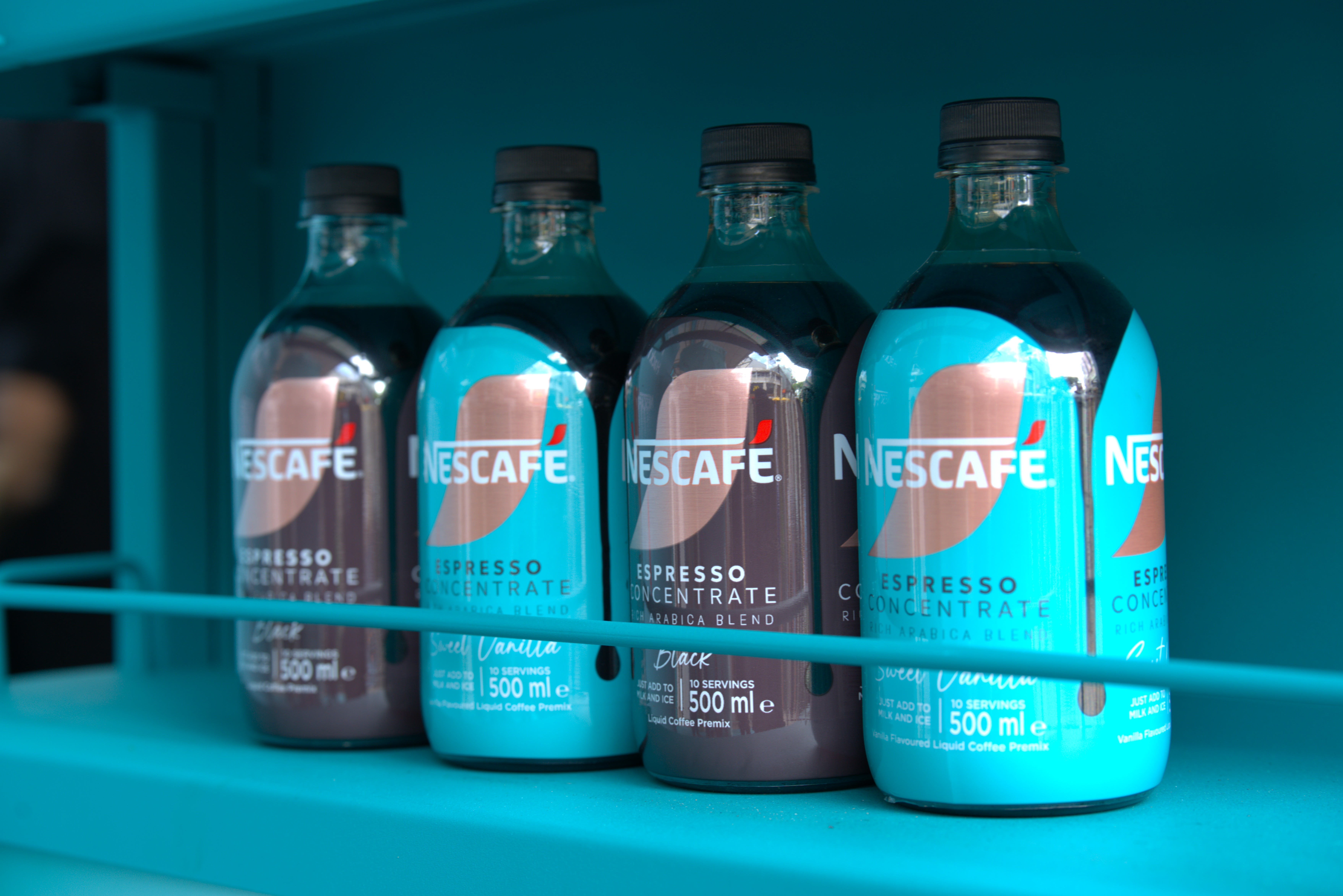
NESCAFÉ Shakes Up Coffee Culture with Innovative Espresso Concentrate
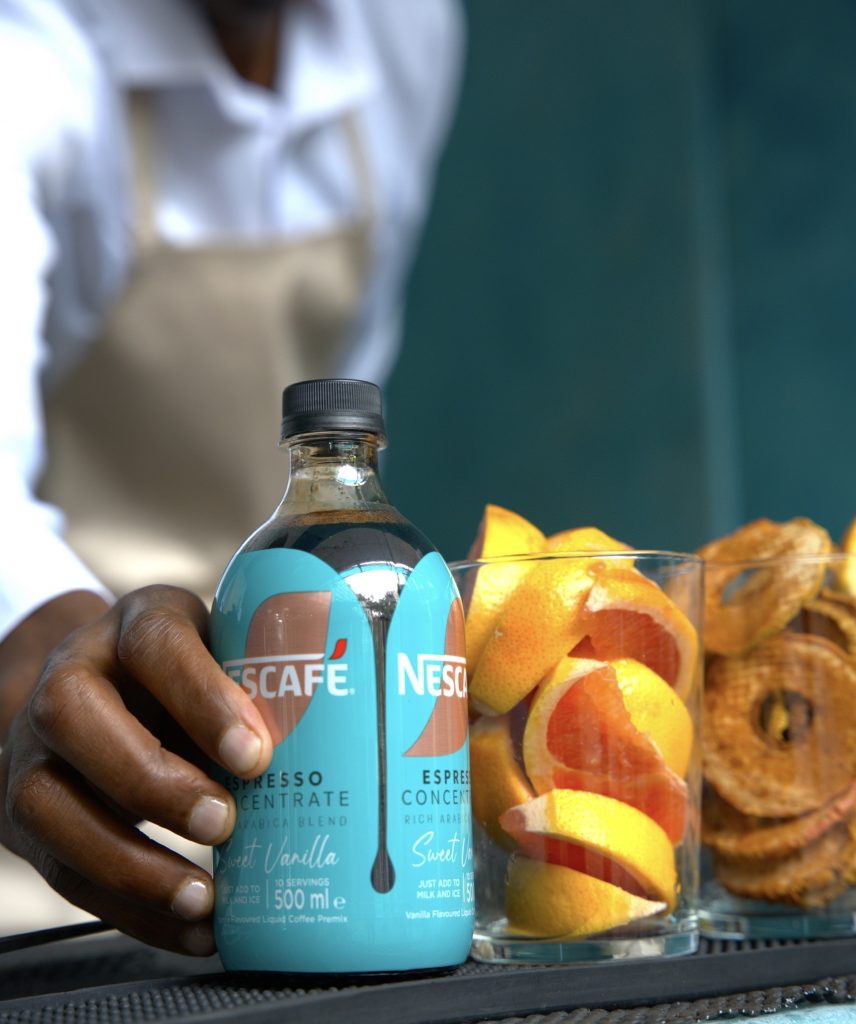
There is a bold new way to enjoy iced coffee, and it starts with a single pour. The NESCAFÉ Espresso Concentrate has arrived in South Africa, giving coffee lovers a simple, creative way to craft café-style iced coffee at home, without the fuss. To celebrate the launch, NESCAFÉ held a consumer activation between 14 – 16 November at Rosebank Mall. Visitors got to try the new range, play with flavour ideas and learn how to “hack” their iced coffee using the concentrate. In essence, it all boils down to: Pour it. Mix it. Hack it!
NESCAFÉ Espresso Concentrate is made from a rich Arabica blend, giving coffee lovers the freedom to mix, chill and make iced coffee exactly the way they like it. It comes in two flavours: Sweet Vanilla, with a soft, creamy character, and Black, for a deeper, more intense taste. It’s for the coffee lover that wants to create café style quality iced coffee in the comfort of their own home.
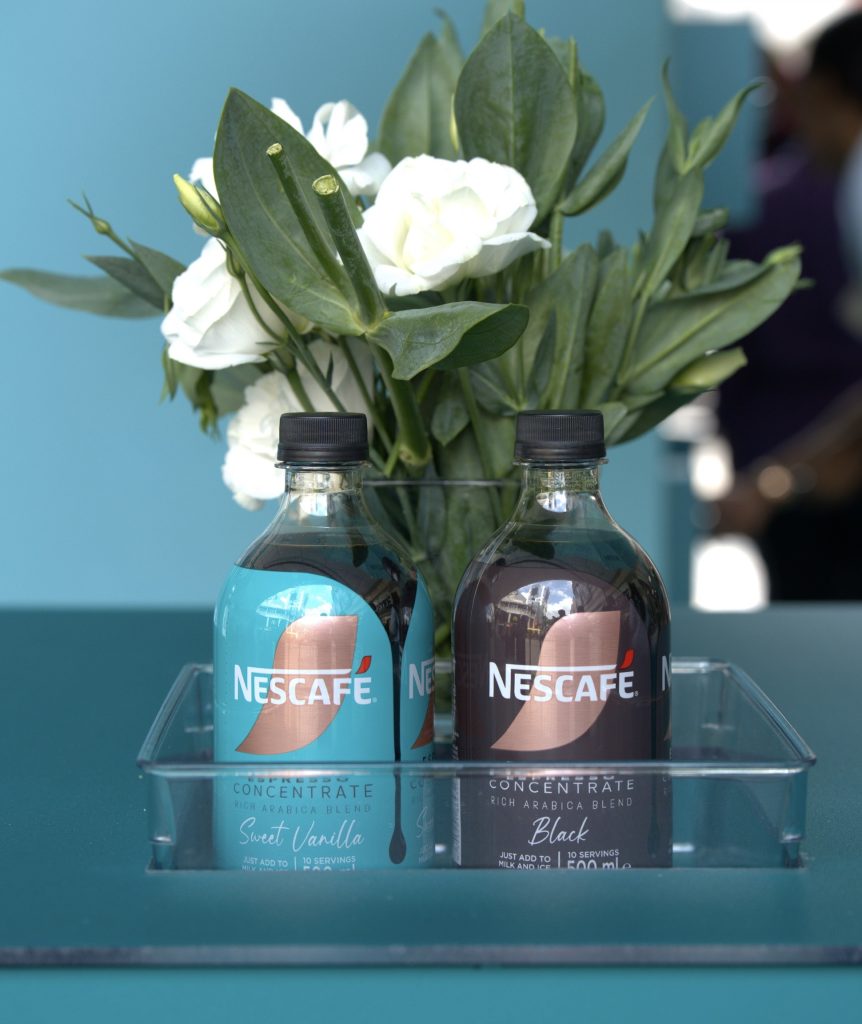
At its core, NESCAFÉ Espresso Concentrate celebrates creativity. It’s cleverly crafted to appeal to a generation that loves to experiment and make life simple, while also appealing to seasoned coffee drinkers who see coffee as a daily ritual. It reimagines the coffee experience, easy, expressive and made to fit every lifestyle.
Using it couldn’t be simpler. Just pour the Espresso Concentrate into a glass, add milk and ice, and your iced coffee is ready to go. You can enjoy it as is or get creative by adding flavours that suit your mood; thinkcaramel, hazelnut, chocolate or even a dash of spice or honey! It’s coffee that’s built for your imagination, whether you like to keep things classic or experiment with something new.
“NESCAFÉ Espresso Concentrate gives people the confidence to create café quality iced coffee that reflects their taste and lifestyle,” says Elizabeth Gichangi, Head of Marketing for Coffee at Nestlé East and Southern Africa Region (ESAR). “It’s about taking something familiar and making it feel new again, coffee that’s fresh, personal, and effortless.”
The launch marks a new era in South Africa’s coffee culture, where quality meets creativity and convenience meet self-expression. NESCAFÉ Espresso Concentrate makes good coffee simple and inspiring, giving everyone the chance to craft their perfect cup, their way. NESCAFÉ Espresso Concentrate is now on shelves at leading retailers nationwide.
Hack your iced coffee your way and share the experience:
@nescafesa [IG]
@nescafesa (TikTok)
NESCAFE [FB]
#HackYourSummer
#MakeYourWorld
For more information, visit https://www.nescafe.com/za/