
A R270 million vote of confidence in Gqeberha’s youth
Twenty-five cruise ships are scheduled to dock in Gqeberha this season, nine of them staying overnight. That kind of footfall brings opportunity, and it also raises an important question: who is ready to meet it? At a time when the hospitality sector faces critical skills shortages and youth unemployment continues to weigh heavily on communities, the true measure of tourism growth lies in whether it creates meaningful, local opportunity.
Thank you for reading this post, don't forget to subscribe!Industry bodies have already sounded the alarm. The Federated Hospitality Association of South Africa recently warned of mounting staffing pressures across the sector, highlighting the growing gap between demand and available skills. As visitor numbers recover and confidence returns, the need for trained professionals in hotels, restaurants and tourism services is becoming more urgent.
This is where investment matters. Hospitality has long played a central role in local economies. Each new development supports a web of suppliers, service providers and small businesses, from laundry services and fresh produce suppliers to tour operators and transport companies. Tourism Minister Patricia de Lille has repeatedly underscored the sector’s role in job creation and inclusive growth, noting its capacity to uplift communities and drive regional development.
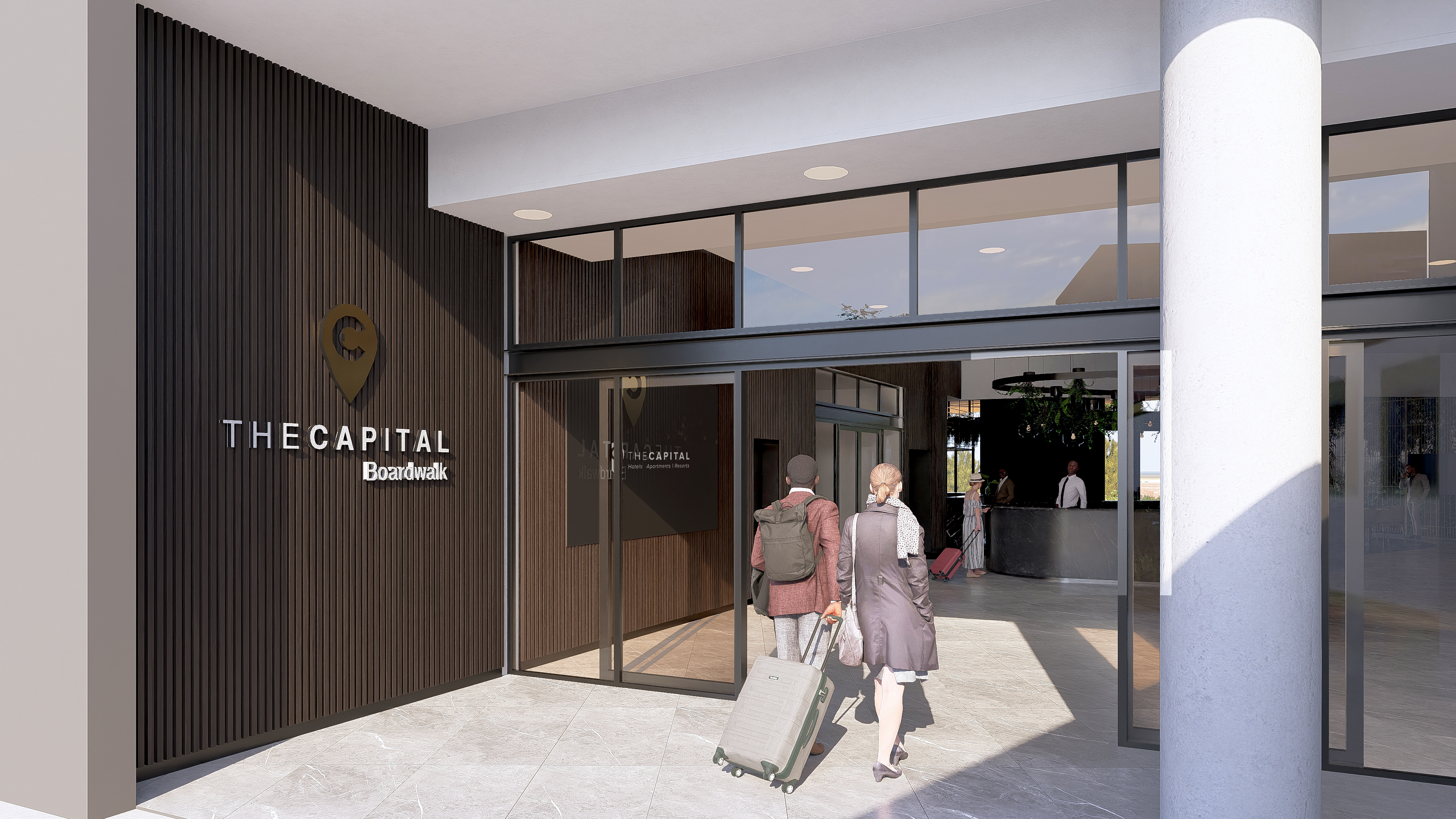
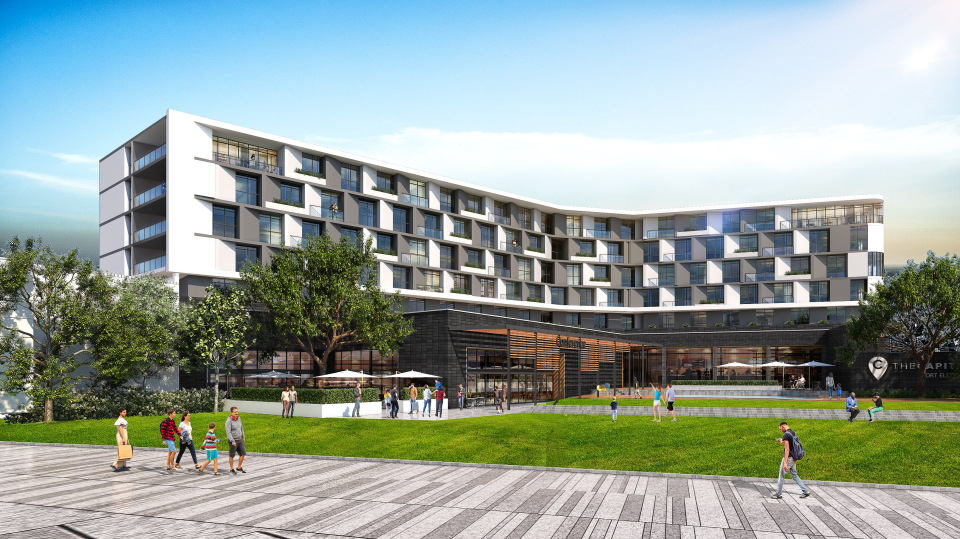
In Gqeberha, that broader impact is beginning to take shape through a R270 million hospitality investment: The Capital Boardwalk.
As the city’s first aparthotel, The Capital Boardwalk introduces a new accommodation model to the metro. The development features 145 contemporary units, including standard rooms, studios, one, two and three bedroom apartments, as well as luxury penthouses. Designed to accommodate expats, corporate travellers and contractors working in the region, the property responds to the evolving needs of a city that continues to attract business travel linked to manufacturing, renewable energy, logistics and port activity.
The aparthotel format offers flexibility for longer stays, supporting professionals who require space, convenience and a sense of home. In practical terms, that means sustained occupancy patterns and consistent local spending. Corporate guests dine in nearby restaurants, use local transport services and engage with surrounding attractions. Cruise passengers staying overnight contribute to the same ecosystem. As 25 ships arrive over the course of the season, the opportunity for the hospitality sector extends well beyond the harbour.
But beyond tourism numbers and infrastructure, the project’s real legacy will be measured in jobs and the pathways created for local residents. When The Capital Boardwalk opens in April this year, the hotel expects to employ between 150 and 200 new direct roles, ranging from food and beverage staff, chefs and receptionists to facilities, housekeeping and security. The property will also introduce more specialised roles that support sustainable operations and career progression in the hospitality sector, including positions such as hotel accountant and stock controller.
Garnet Basson, COO of The Capital Hotels, Apartments and Resorts, says the group’s focus is on building a pipeline of local talent alongside its physical footprint. “Hospitality remains one of the most accessible entry points into the formal economy for young South Africans. By investing in structured training and hiring locally, we are strengthening our own operations while contributing to the long-term skills base of the city,” he says.
That local-first commitment extends beyond recruitment. The Capital Hotels, Apartments and Resorts has appointed a General Manager from the Eastern Cape, reinforcing the group’s intention to keep leadership rooted in the region and aligned with local culture and community dynamics. The goal is not to arrive as an outsider, but to work side-by-side with the city, its hospitality sector and the broader tourism industry in a way that strengthens the destination as a whole.
Addressing skills shortages requires more than recruitment drives. It calls for on-the-job training, mentorship and clear pathways for progression. Front-of-house staff, housekeeping teams, food and beverage professionals and operations managers all form part of a value chain that depends on competence and consistency. Developing those capabilities within Gqeberha creates a stronger sector overall and reduces reliance on importing scarce skills from other regions.
To support this, John Skelton, Chief People Officer of The Capital Hotels, Apartments and Resorts, has been engaging directly with local community centres, training schools and community groups to build a stronger pipeline for youth employment. By partnering with organisations already active in the city, the group aims to identify potential talent early, support work readiness, and connect young people to sustainable opportunities within hospitality.
For young people entering the workforce, hospitality can offer exposure to international standards, customer service excellence and operational discipline. In a city preparing for a busy cruise season and renewed business travel, that experience becomes especially valuable. Every well-trained team member contributes to the visitor experience, shaping perceptions of Gqeberha as a destination.
The Capital Boardwalk also signals confidence in the city’s trajectory. Significant private investment in tourism infrastructure sends a message to the market that Gqeberha is open for business and ready to compete. It reflects faith in the city’s attractions, its coastline, its cultural offerings and its commercial potential.
As cruise liners dock and corporate travellers check in, the visible signs of growth will be easy to spot. The deeper impact will unfold more gradually, in training sessions, career advancements and pay cheques supporting households across the metro.
Tourism growth carries weight when it translates into livelihoods. In Gqeberha, the combination of renewed visitor momentum and targeted skills development offers a practical route towards shared prosperity. Through its R270 million investment in The Capital Boardwalk, The Capital is aligning its expansion with that broader ambition: strengthening hospitality, empowering local talent and contributing to a more resilient city economy.
Comments are Disabled